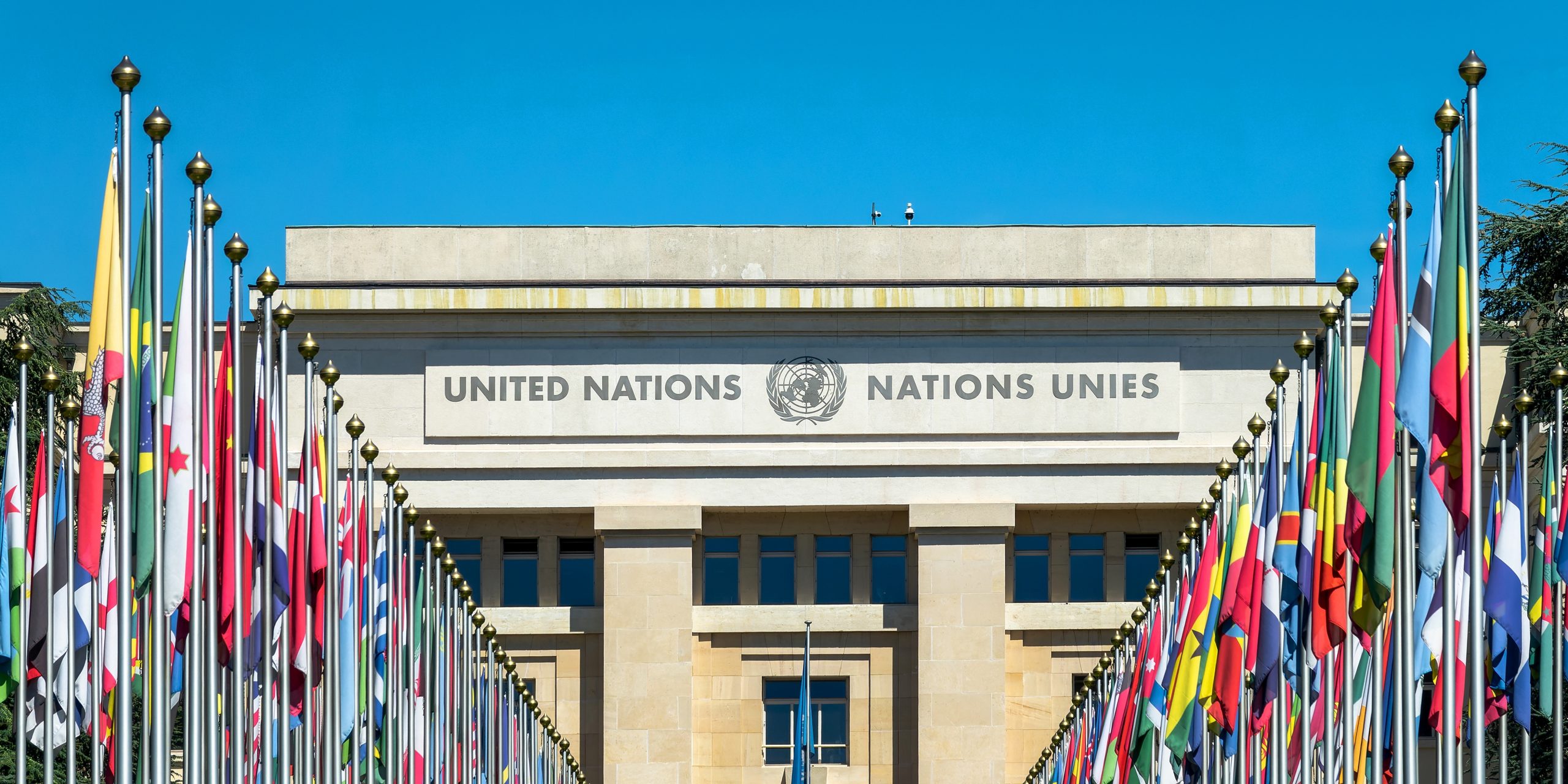
The United Nations currently navigates an unprecedented liquidity crisis as it awaits formal confirmation regarding the timing and magnitude of delinquent payments from the United States. Secretary-General António Guterres recently catalyzed international concern, cautioning that the global institution confronts an “imminent financial collapse” in the absence of a comprehensive fiscal overhaul or the immediate liquidation of outstanding arrears by member states. While the Trump administration has indicated an intent to provide a “significant down payment” on these debts, the specific parameters of this transaction remain unconfirmed.
The Fiscal Chasm and Administrative Arrears
As of early February 2026, the United States holds the primary responsibility for the world body’s budgetary shortfall, accounting for approximately 95% of the regular operating budget’s unpaid assessments. The documented arrears total nearly $4.6 billion, partitioned between $2.196 billion for the regular operating budget and approximately $2.4 billion for peacekeeping initiatives and specialized tribunals. This fiscal deficit expanded significantly during 2025, a year in which the administration suspended all contributions to the general fund while initiating withdrawals from the World Health Organization and UNESCO.
U.S. Ambassador Mike Waltz recently suggested that a “substantial tranche” of funding is forthcoming within several weeks. However, this commitment is characterized as a “negotiated recognized payment” rather than a standard dues fulfillment, contingent upon the implementation of the “UN80” reform initiative—a system-wide efficiency drive aimed at consolidating administrative hubs and reducing the global workforce by 18.8%. Conversely, proponents of immediate payment argue that these legal obligations under the UN Charter are non-negotiable and that withholding funds compromises vital security operations.
Global Sentiment and Internal Policy Pressures
The international community perceives the continued non-payment as a systemic threat to multilateralism. Diplomatic envoys from various G7 nations and developing states have voiced apprehension that a cash depletion, projected for July 2026, would paralyze humanitarian delivery and peacekeeping missions. This sentiment is amplified by the contrast with other member states; while approximately 60 nations fulfilled their 2026 obligations by the February 8 deadline, the U.S. remains an outlier among top-tier contributors.
Domestically, the administration faces divergent pressures. Advisors within the “Board of Peace” and cost-cutting strategists urge a “renege and reform” posture, advocating for an à la carte funding model that prioritizes U.S.-specific interests over general assessments. Meanwhile, career diplomats and various congressional leaders push for a “pay-to-play” strategy, suggesting that the erosion of U.S. voting influence, exemplified by Venezuela’s recent loss of voting rights due to its $38 million debt, could eventually jeopardize America’s strategic leverage within the General Assembly.
Trump’s absence of obligation to the U.N., a cornerstone of global stability and the rule of law is hazardous. The current stalemate raises fundamental questions regarding whether the United States will remain a reliable guarantor of the post-war international order or transition toward a transactional isolationism. A healthy democracy functions on the principle that international treaties and charters carry the weight of legal obligation, and using mandatory dues as a leverage tool for unilateral reform risks undermining the very institutions designed to prevent global conflict.
True democratic accountability requires that the U.S. engage in good-faith negotiations to modernize the UN without threatening its foundational survival. Ensuring the solvency of the world body is not merely an act of philanthropy, but a strategic investment in the collective security that protects democratic values globally. Ultimately, a transparent and timely resolution to the arrears crisis is essential to preserve the legitimacy of American leadership on the world stage.