Fourteen career prosecutors have resigned from the U.S. Attorney’s Office in Minnesota as of early February 2026. This group includes the First Assistant U.S. Attorney and several section chiefs. These departures have reduced the office to approximately 50% of its authorized attorney staffing level.
The resignations occurred in two phases following policy disagreements with the Department of Justice (DOJ). The first phase involved six prosecutors, including Joe Thompson, Harry Jacobs, Thomas Calhoun-Lopez, and Melinda Williams. A second phase involved eight additional lawyers, including Civil Division Chief Ana Voss, who managed hundreds of wrongful detention petitions.
Jurisdictional Conflicts and Directives; Standards and Caseload Management
The initial resignations followed a dispute regarding the investigation into the death of Renée Macklin Good, who was shot by an ICE agent. The DOJ restricted the Minnesota Bureau of Criminal Apprehension (BCA) from the probe. Deputy Attorney General Todd Blanche stated there was “currently no basis for a criminal civil rights investigation” into the incident.
Internal reports indicate the DOJ directed the office to prioritize a criminal investigation into Good’s widow rather than the federal agent involved. A Justice Department spokesperson cited a February 2025 memo from the Attorney General, which states, “when Department of Justice attorneys, for example, refuse to advance good-faith arguments by declining to appear in court or sign briefs, it undermines the constitutional order and deprives the President of the benefit of his lawyers.”
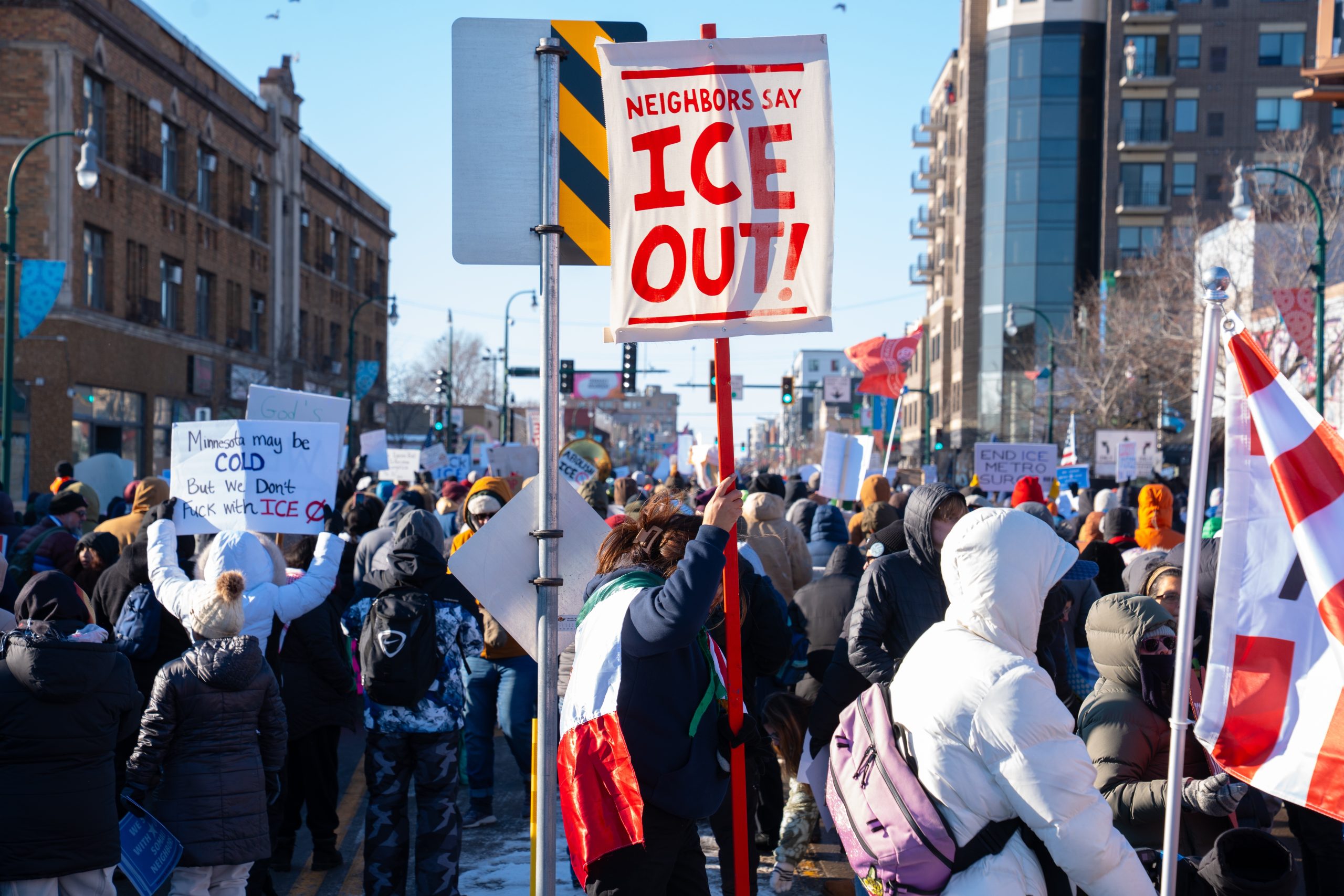
In late January 2026, a second wave of departures followed instructions to file assault charges against anti-ICE protesters. Prosecutors reported being asked to proceed without supporting body-camera footage from federal agents. Internal records show staff concern regarding the initiation of prosecutions before a review of the complete evidentiary record.
Departing staff also cited reallocation of resources. The deployment of 3,000 federal agents under “Operation Metro Surge” resulted in an increased caseload of immigration-related offenses. Senior staff stated that the influx of these cases impacted the progress of existing investigations, including a $250 million child nutrition fraud case and $9 billion in Medicaid fraud inquiries. U.S. Attorney Daniel Rosen has not provided a timeline for filling the vacancies.
The resignation of the 14 federal prosecutors in Minnesota is factually linked to state fraud investigations through the loss of critical leadership and a redirection of agency resources.
- Loss of Human Capital: Departed personnel include Joe Thompson, the lead prosecutor for the $250 million Feeding Our Future case and the $9 billion Medicaid fraud probe. His exit, along with section chiefs in fraud and violent crime, has removed the “institutional knowledge” required for complex financial litigation.
- Resource Reallocation: Following the launch of Operation Metro Surge, the office was directed to prioritize a “swelling caseload” of immigration and protest-related offenses. This shift has delayed long-term financial audits.
- Replacement Limitations: The Department of Justice (DOJ) has utilized military JAG officers as temporary substitutes. Legal experts note these officers lack specialized training in multi-billion-dollar fraud prosecutions.
Consequently, while the administration maintains the “surge” combats fraud, the loss of experienced career attorneys has stalled existing high-profile financial inquiries.