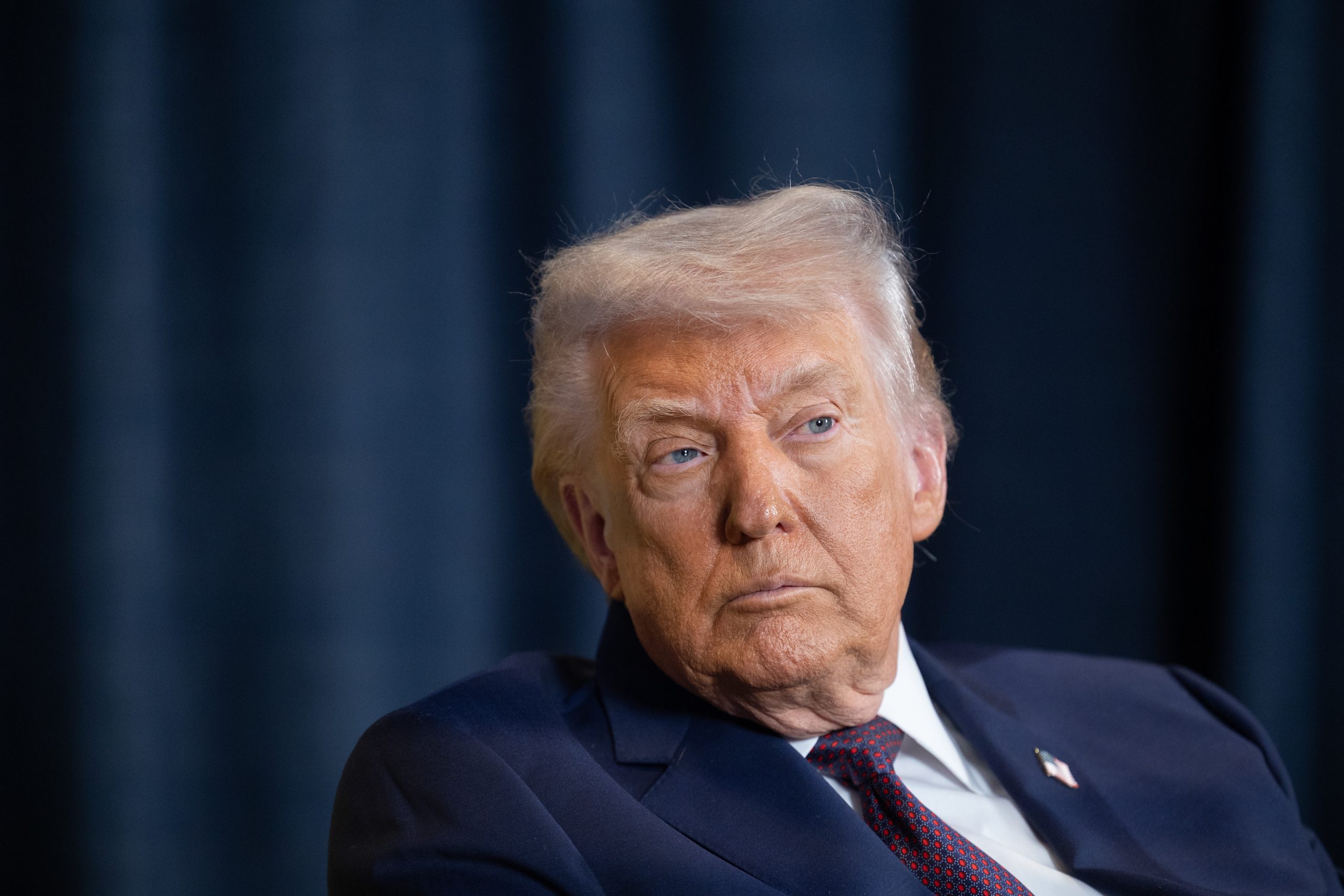
The U.S. Department of Defense confirmed Sunday that federal personnel executed a strategic boarding of the Veronica III, a tanker allegedly attempting to bypass a naval blockade authorized by President Donald Trump. This interdiction serves as a vivid illustration of the military’s rigid adherence to executive orders during a period of escalating international tension.
In the vast expanse of the Indian Ocean, the American maritime powers have intersected with a high-stakes geopolitical dilemma.
The Art of Interdiction
The operation, characterized by the Pentagon as a “right-of-visit, maritime interdiction and boarding,” follows months of rigorous enforcement regarding sanctioned petroleum exports. The Veronica III, a vessel previously sailing under a Panamanian flag, reportedly departed Venezuela on January 3, the same day former leader Nicolás Maduro was apprehended by American forces. Carrying an estimated 2 million barrels of crude and fuel oil, the ship sought to traverse global corridors despite a standing quarantine of sanctioned tankers.
“The vessel tried to defy President Trump’s quarantine, hoping to slip away,” the Pentagon announced via social media. “We tracked it from the Caribbean to the Indian Ocean, closed the distance, and shut it down.” This logistical accomplishment highlights the expansive reach of the INDOPACOM area of responsibility and the technical capacity of U.S. forces to maintain persistent surveillance over “shadow fleet” vessels that utilize false flags to obscure their origins.
Chains of Command and Constitutional Fidelity
The seizure of the Veronica III underscores a significant domestic and professional reality: the military’s unwavering willingness to translate presidential policy into tactical action. While the Trump administration’s aggressive seizure of tankers represents a pivot in foreign policy, the execution remains a matter of disciplined military protocol. This follows a similar boarding of the Aquila II just last week, suggesting a systematic application of the executive’s “maximum pressure” campaign.
Analysis from TankerTrackers.com indicates that the Veronica III has historical ties to Russian, Iranian, and Venezuelan oil networks. Samir Madani, co-founder of the organization, noted that at least 16 tankers have attempted to contravene the quarantine since its inception. “Since 2023, she’s been involved with Russian, Iranian and Venezuelan oil,” the monitoring group reported, emphasizing the complex web of global smuggling that the U.S. military is currently tasked with dismantling.
The events unfolding in the Indian Ocean represent a profound exercise of democratic governance and the separation of powers. In the United States, the military functions as a non-biased instrument of the civilian executive. The willingness of U.S. forces to enforce the quarantine, even as it challenges international maritime norms, reflects the democratic principle that the Commander-in-Chief sets the national objective, while the armed forces provide the specialized competence to achieve it.
Ultimately, the legitimacy of such operations rests on the transparency of the legal frameworks provided by the Treasury and Defense Departments. By following Trump’s the orders, the military reinforces the stability of the chain of command, ensuring that national policy, regardless of its global friction, is executed with professional uniformity.