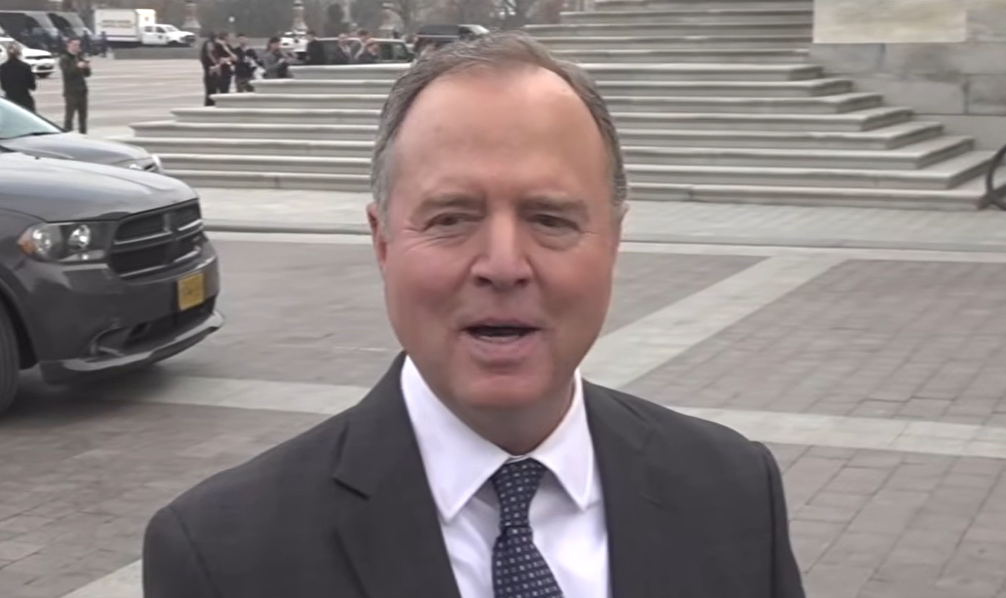
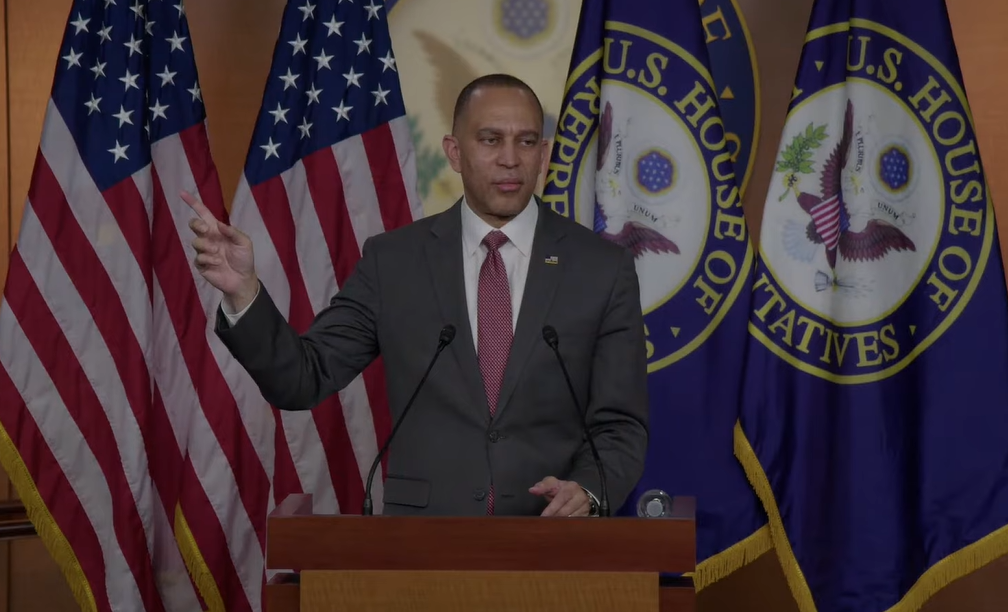
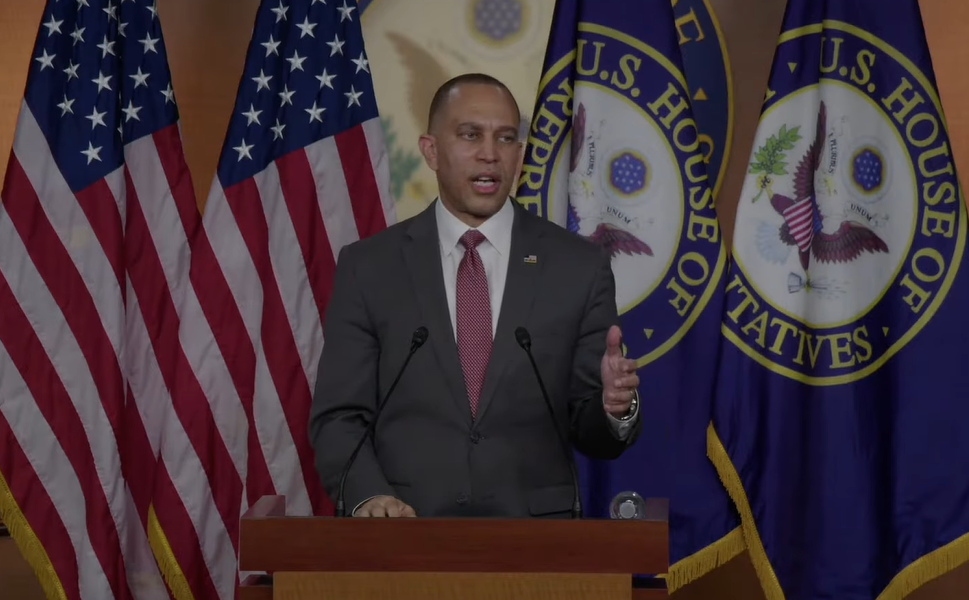
During an interview with Stephanie Ruhle on MS NOW Thursday evening, House Minority Leader Hakeem Jeffries (D-NY) sharply criticized President Donald Trump’s State of the Union address, stating that the administration has failed to address the ongoing affordability crisis that initially drove many voters to vote red at the ballot box in the 2024 presidential elections.
Ruhle noted that the president spoke for nearly two hours but devoted less than three minutes to affordability—despite widespread frustration over the economy. She pressed Jeffries on how Democrats plan to persuade voters that they can deliver solutions, particularly at a time when confidence in both parties remains shaky.
Jeffries responded that costs have risen “across the board,” pointing to housing, healthcare, childcare, groceries, and electricity bills. He said the president promised to lower costs on day one and had failed to deliver. Democrats, he stated, will make driving down the cost of living their top priority as they look forward to upcoming elections, highlighting recent electoral gains in states such as New York, New Jersey, and Virginia as evidence that the message is resonating with the American people.
Jeffries Blames Rising Electricitiy Costs On Trump, Republican Policies
The conversation turned to a proposal floated during the address: a “ratepayer protection pledge” that would require tech companies to build or purchase their own electricity supplies for data centers. Ruhle asked Jeffries whether Democrats support the idea and how they plan to address rising power bills linked to surging demand.
Jeffries said concerns about electricity costs are legitimate, noting that rates have climbed significantly despite Trump and Republicans’ earlier promises to reduce them. He blamed Republican policies, particularly the “One Big Beautiful Bill,” for worsening supply constraints, citing cuts to Medicaid and SNAP as well as the rollback of clean-energy tax credits for wind and solar, which he said have undermined progress in expanding generation capacity.
With demand increasing, particularly from energy-intensive data centers. Jeffries stated that boosting supply is essential to prevent further price spikes. He also said companies should bear the cost of the additional power they consume rather than shifting that burden onto households.
As for the president’s pledge, Jeffries said there has been no documentation demonstrating that any agreement with tech firms is enforceable. He suggested congressional oversight would be necessary to determine whether the proposal has substance or is simply another one of Trump’s many unfulfilled promises.