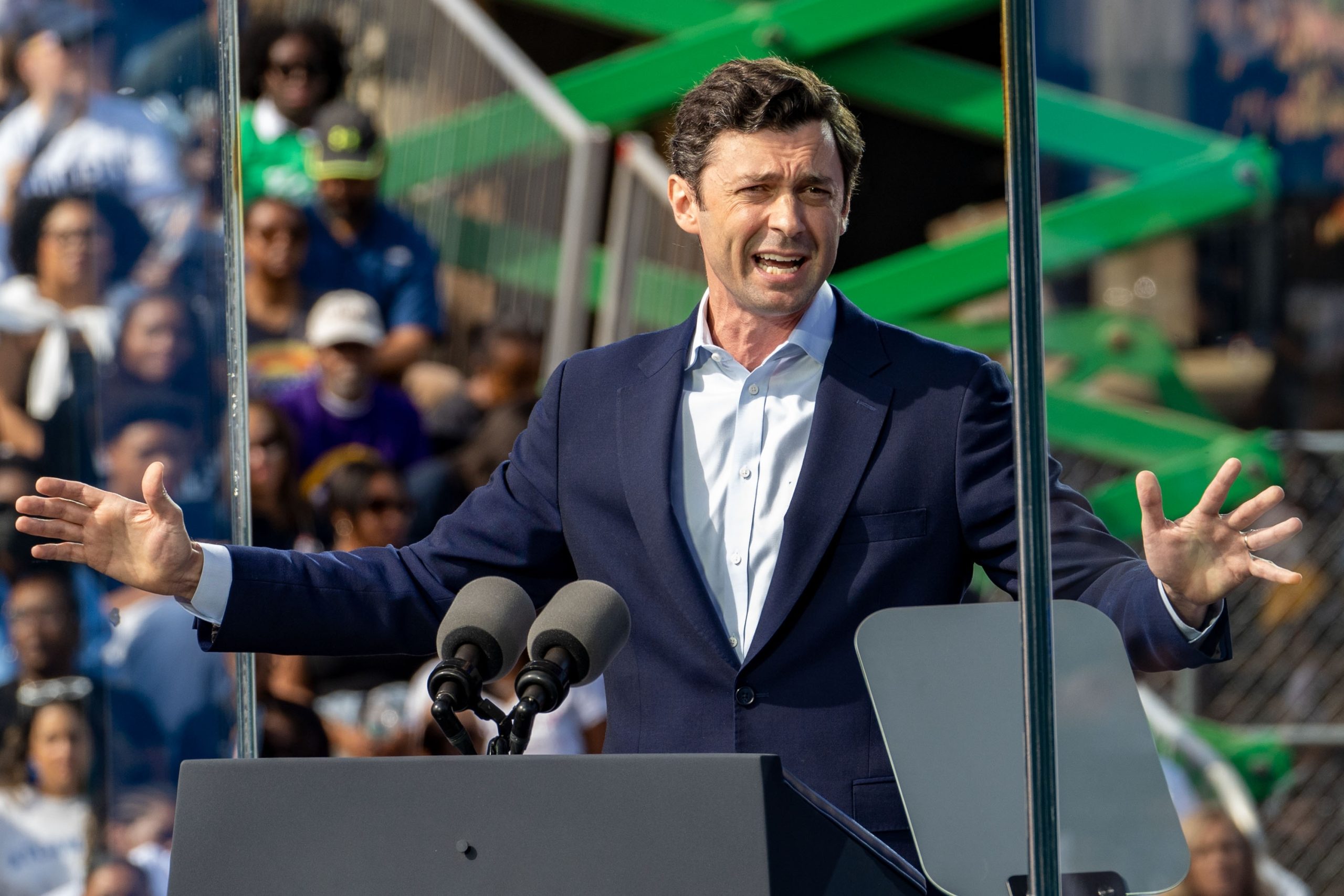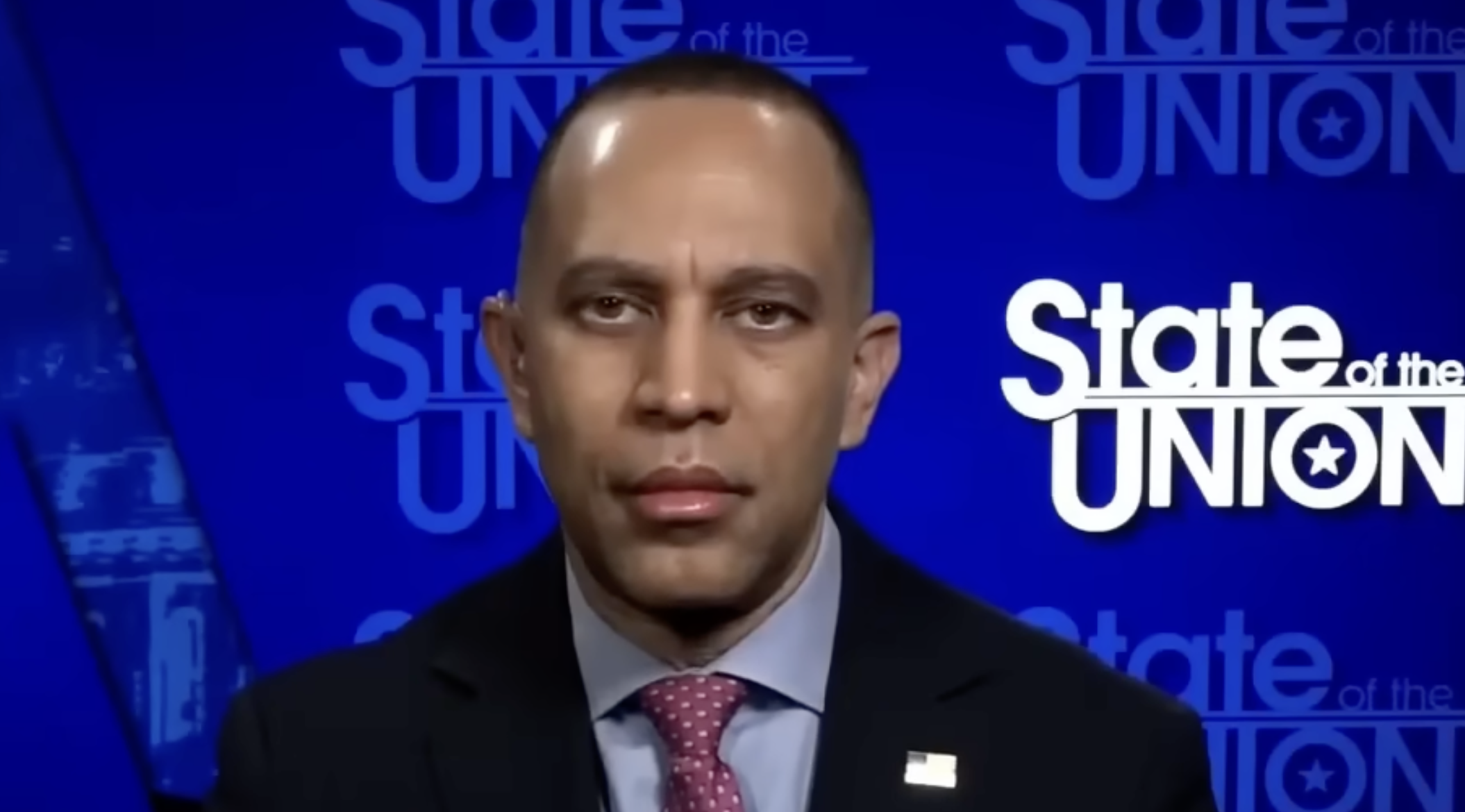
During a contentious Senate Banking, Housing, and Urban Affairs Committee hearing this Thursday, Treasury Secretary Scott Bessent admitted that the roughly $10 billion in damages President Donald Trump is seeking would ultimately be paid by American taxpayers, if his lawsuit against the Internal Revenue Service (IRS) and Treasury Department succeeds. The exchange between Secretary Bessent and Senator Ruben Gallego (D-AZ) highlighted just how unprecedented and ethically fraught the case has become.
During questioning, Gallego asked Bessent—who also serves as acting IRS commissioner—where the funds would come from if Trump were to somehow win his lawsuit. After initially stumbling over the question, Bessent acknowledged that any payout would come from the Treasury’s general account—the same pool funded by the taxes ordinary Americans pay. “So, taxpayers?” Gallego pressed. “Yes,” Bessent replied.
Wyden: ‘A Shameless, Disgusting Act Of Corruption’
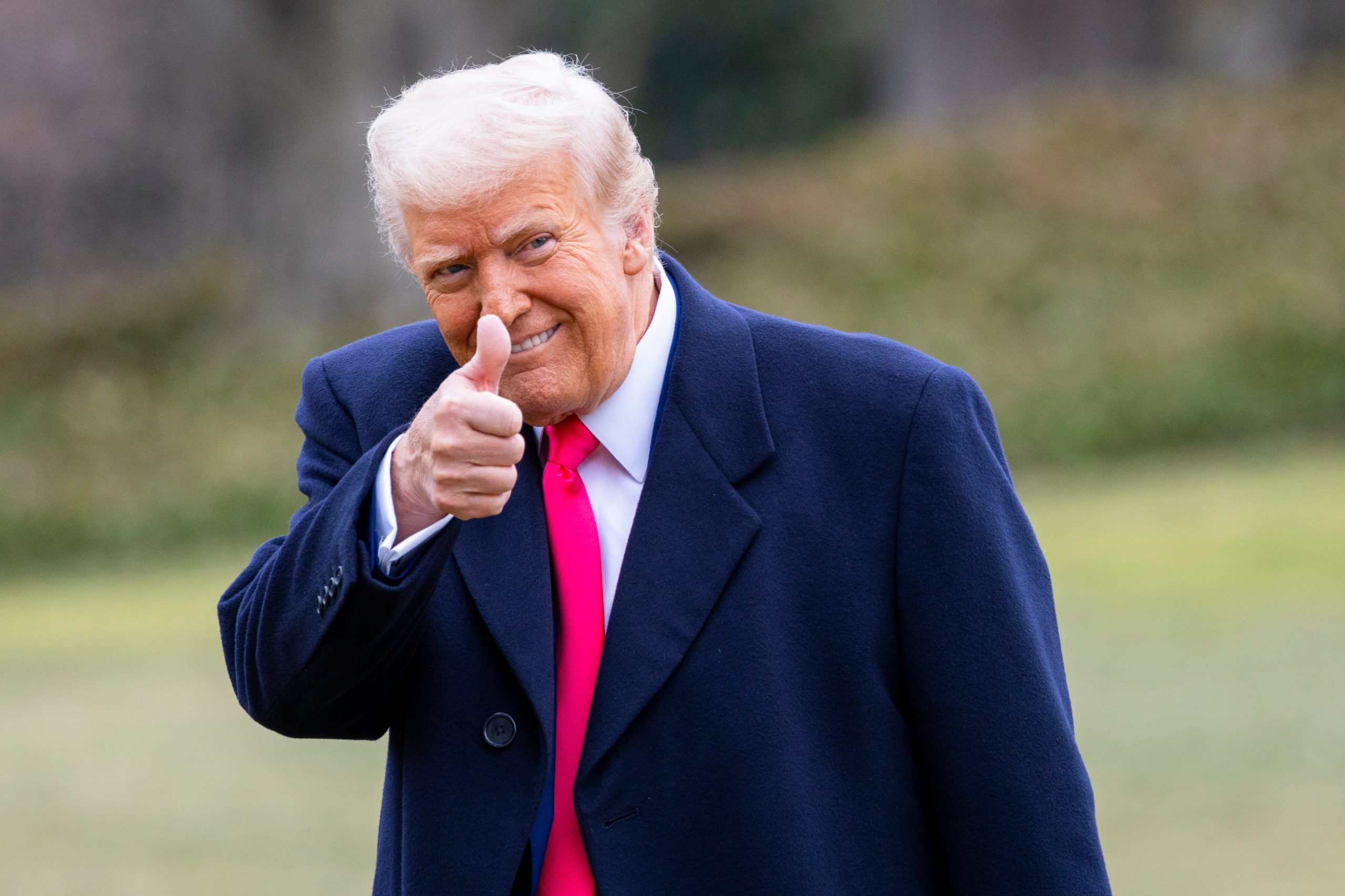
This moment highlights a core problem with Trump’s latest legal gambit: a sitting president has filed a civil suit against his own government, seeking a windfall that would be paid for on the taxpayer’s dime.
Democratic lawmakers have not held back in their condemnation. Senate Finance Committee Ranking Member Ron Wyden (D-OR) called Trump’s lawsuit “a shameless, disgusting act of corruption” and criticized the administration’s broader record on taxpayer privacy and data security.
Critics on both sides of the aisle have raised ethical concerns about the lawsuit’s premise. Trump is, by definition, the head of the executive branch agencies he is suing, and the Justice Department—which represents the IRS and Treasury in court—is defending those same agencies. This setup creates a glaring conflict of interest.
Trump’s demand for $10 billion arises from his claim that the IRS and Treasury Department unlawfully allowed an IRS contractor to leak his tax returns in 2020, causing him “reputational and financial harm.”
It’s one thing for a private citizen to pursue legal action against the government; it’s another for a president to weaponize his position to seek a multibillion-dollar payout that would effectively transfer public funds into his own hands. Trump has attempted to deflect this concern by saying he would donate any money received to charity if he wins. But given his history of self-dealing and legal maneuvering, many observers take that promise with a grain of salt.
Thursday’s hearing underscores the legal oddity and unscrupulous nature of Trump’s lawsuit. If the president can sue his own government for personal financial gain—and have that claim paid for by the very citizens he leads—it sets a dangerous precedent. For many Americans already struggling to make ends meet, the idea that their tax dollars could be diverted to enrich a billionaire with public office is deeply troubling.