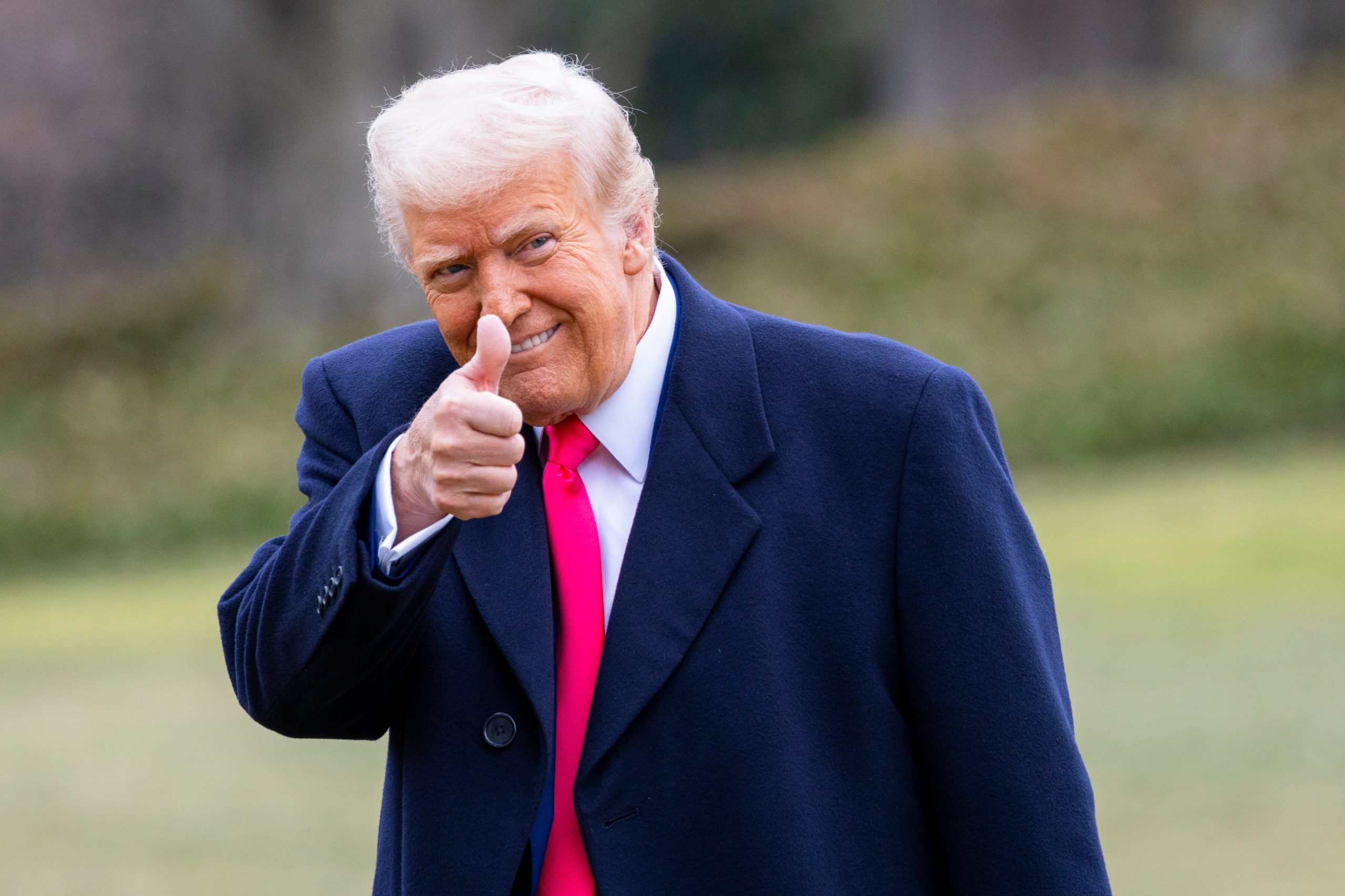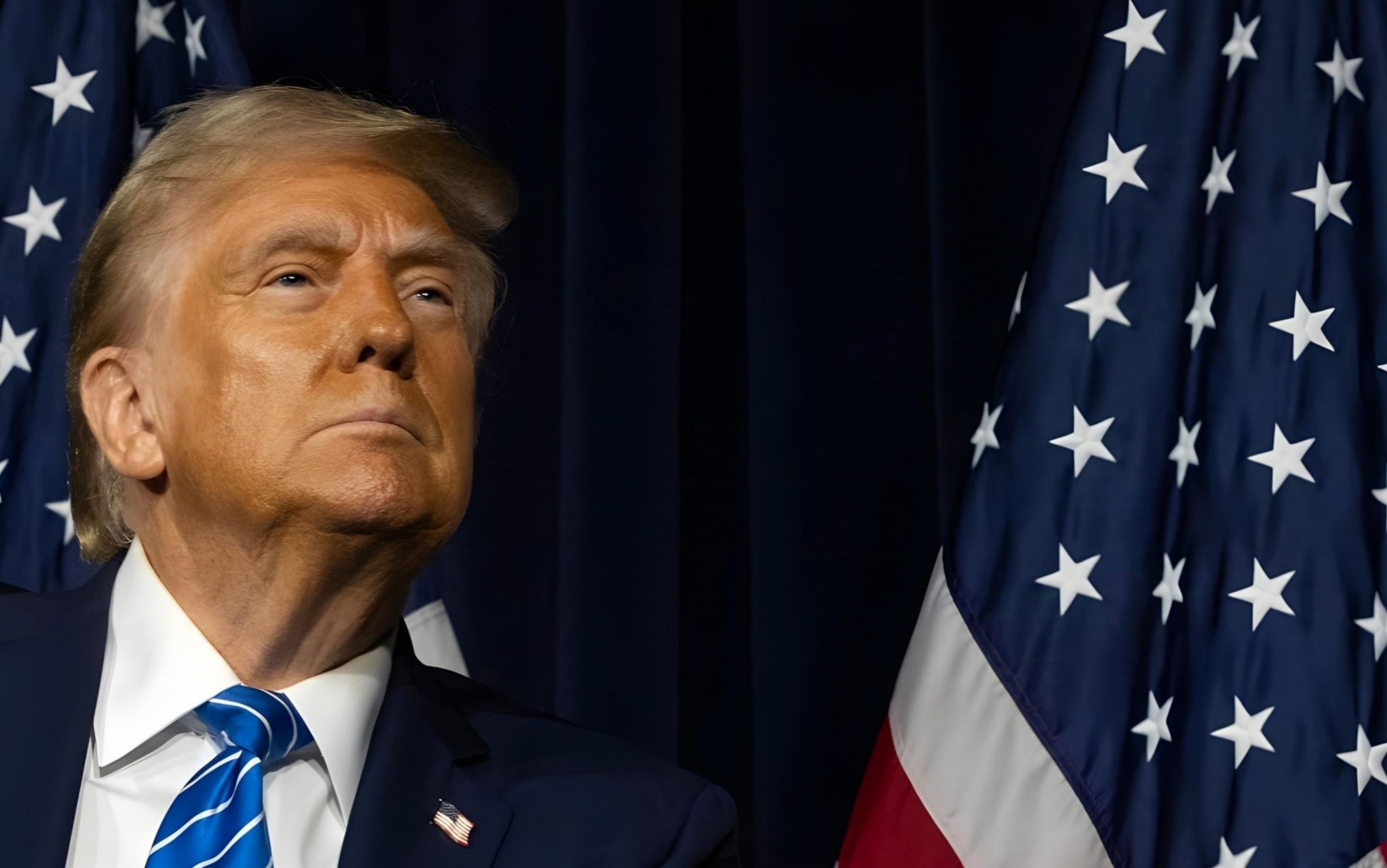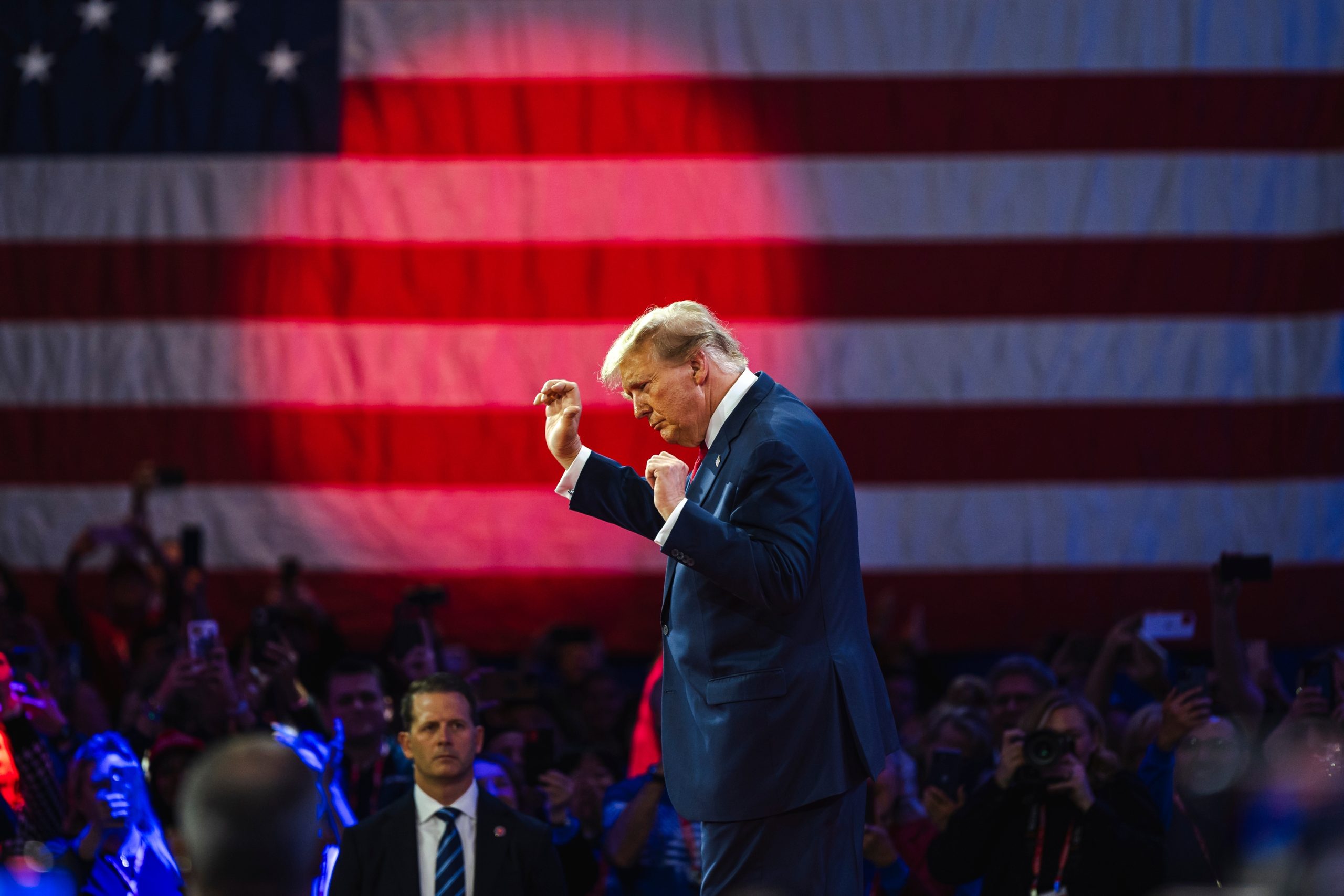
President Donald Trump sparked another wave of controversy during his remarks at the National Prayer Breakfast earlier this week after declaring that he wants to rededicate the United States as “one nation under God,” a statement that blurs the constitutional line between church and state and marginalizes millions of Americans who do not share his religious views.
Speaking to an audience of religious leaders and political allies, Trump framed his comments as a moral call to action, arguing that the country has strayed from its spiritual foundations. “You have to have religion, you have to have it,” Trump insisted, adding that America should recommit itself to being “one nation under God.” As the sitting president of the United States, Trump’s remarks suggest a government-led push toward a singular religious identity.
Trump plans on celebrating this national push towards Christianity by holding a prayer event on the National Mall in Washington, D.C. on May 17, 2026. “We’re inviting Americans from all across the country to come together on our National Mall to pray, to give thanks,” Trump stated.
Trump: ‘We’re Going To Rededicate America As One Nation Under God’
The comments immediately drew criticism from faith advocacy groups, who warned that Trump’s rhetoric follows an agenda by Christian nationalists to unilaterally impose their beliefs on the country and undermine a core pillar of American democracy. The First Amendment explicitly prohibits the government from establishing or favoring a religion, a principle designed to protect religious freedom.
Trump’s remarks are especially striking given the diversity of the American population. Many Americans identify as Jewish, Muslim, Hindu, Buddhist, atheist, agnostic, or adhere to no religion at all. By framing national identity around a specific religious concept, Trump’s comments alienate the millions of Americans who don’t identify as Christians.
The setting of the remarks also raised concerns. The National Prayer Breakfast has historically been billed as a bipartisan, interfaith gathering meant to promote unity. Trump’s use of the platform to push a divisive vision of national identity undermined that spirit, turning what is meant to be a moment of reflection into a political statement.
At a time when the country is grappling with polarization, rising religious intolerance, and threats to democratic norms, Trump’s call to “rededicate” the nation along religious lines feels less like a unifying message and more like an attempt to appeal to a narrow political base. Rather than respecting the constitutional separation of church and state, Trump’s remarks display a willingness to erode it for political gain.