In a Sunday interview on ABC News, Congressman Thomas Massie (R-KY) sharpened his criticism of the Department of Justice (DOJ)’s botched handling of the Epstein files.
Speaking with Martha Raddatz, Massie noted U.S. Attorney General Pam Bondi’s recent appearance the House Judiciary Committee was combative and unproductive. He contrasted her testimony with that of former U.S. Attorney General Merrick Garland, stating that although he disagreed with Garland politically, he at least “didn’t look bad” under questioning. Massie said lawmakers were unable to get the answers they were seeking about the Epstein Files Transparency Act sponsored by Congressman Ro Khanna (D-CA).
He pointed to one exchange as evidence that the department’s work remains unfinished. During the hearing, Massie pointed out that Bondi acknowledged some documents had been over-redacted and were later corrected after he raised the issue, a move he described as proof that mistakes had been made.
Massie: ‘It’s Clear Their Work Is Not Done Here Yet’
The interview also focused on a dispute involving previously redacted names. Massie and Khanna had argued that some redactions were improper, only for Deputy Attorney General Todd Blanche to accuse them of unmasking individuals who had nothing to do with Jeffrey Epstein or Ghislaine Maxwell. Massie rejected that claim, saying he had already warned Blanche in an X post that some of the names appeared to come from men in an FBI lineup and that the department itself later released them without that context.
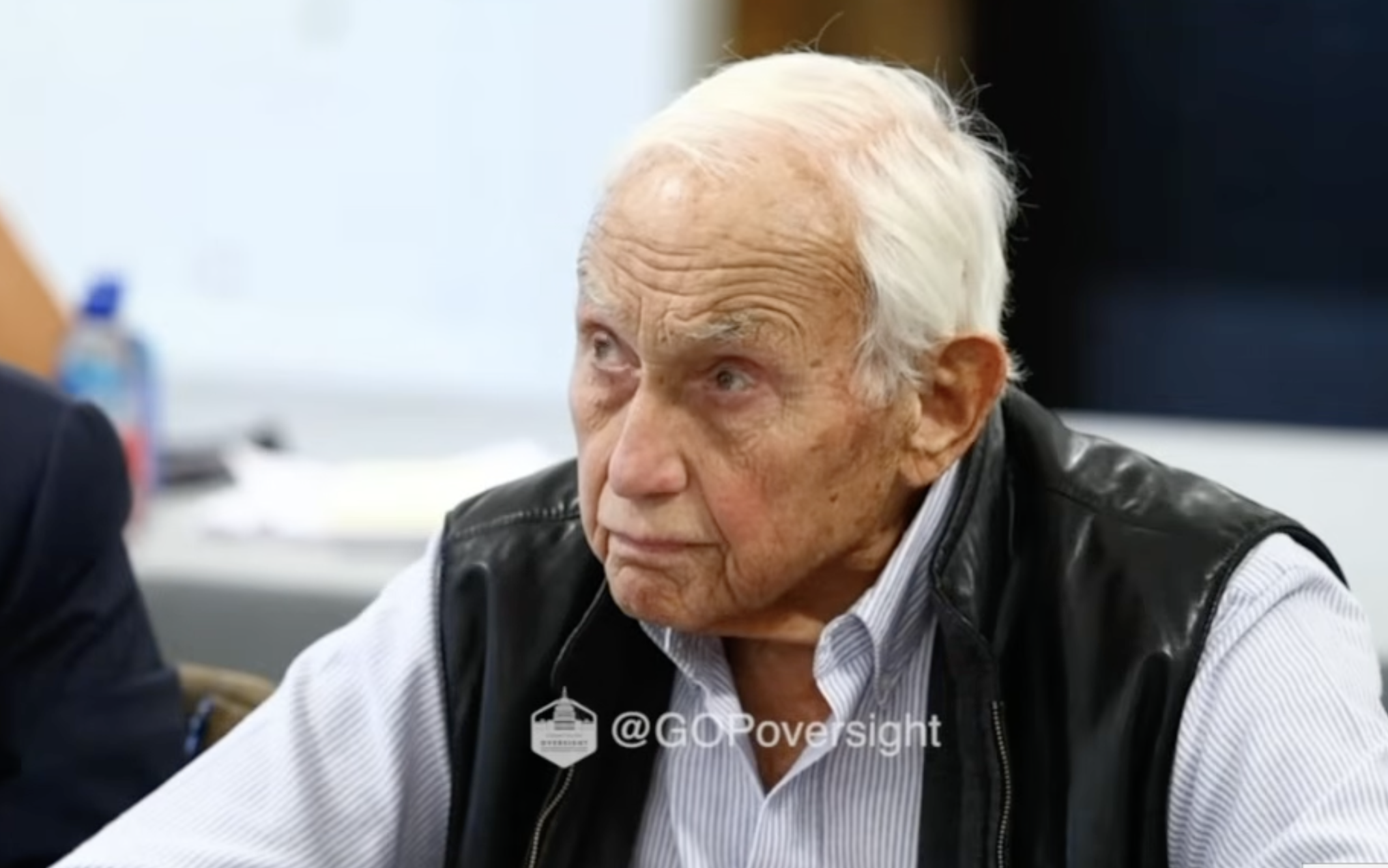
Massie called out two individuals named in the files: Sultan Ahmed bin Sulayem, who recently resigned from CEO of DP World, and L Brands founder Leslie Wexner. Massie questioned why Wexner’s name was redacted in a document labeled “child sex-trafficking co-conspirator” and demanded to know who at the DOJ made that decision.
Massie further criticized the department for invoking deliberative process privilege to withhold internal memos and communications, stating that the transparency bill he co-authored with Khanna would require those materials to be released. Without them, he said, lawmakers and the public will not know important information such as why the DOJ chose not to prosecute Wexner and why Epstein received a comparatively light sentence in 2008.
Massie also accused the department of removing key documents from public view before lawmakers could review unredacted versions in person. Among the materials he said were taken down were files related to Virginia Giuffre’s case and a photograph of Epstein in a room with boxes labeled “CIA.”
The broader point made by Massie throughout the interview is that the DOJ cannot declare the process finished while questions remain about redactions, missing files, and the decisions behind them. “It’s clear their work is not done here yet,” Massie stated.