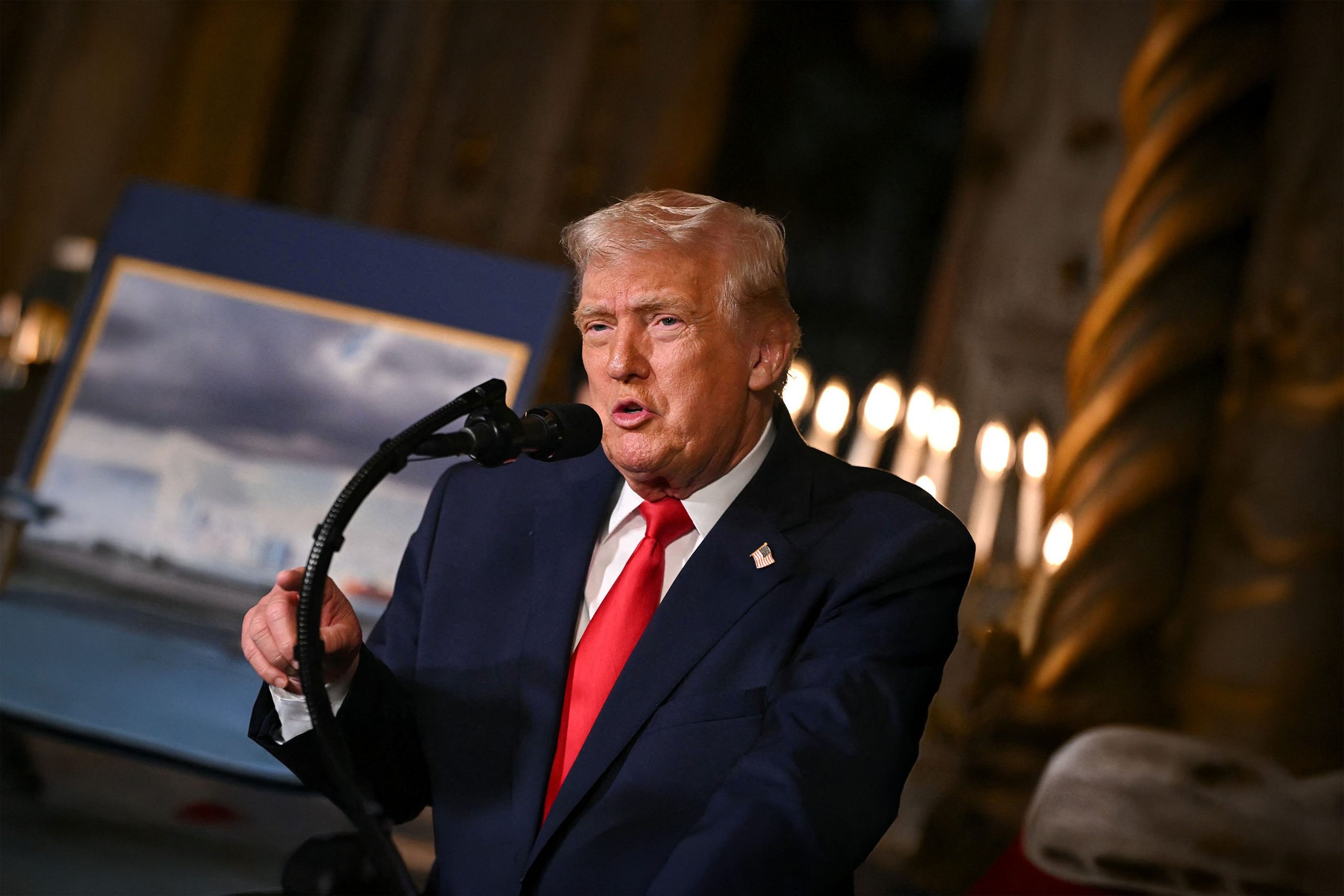
The Trump administration’s unforeseen announcement of a “landmark” trade agreement with India has been met with profound skepticism by Congressional Democrats. While President Trump and Prime Minister Narendra Modi tout the deal as a masterstroke of “America First” diplomacy, critics argue the timing is suspiciously calculated. Emerging just hours before a looming partial government shutdown, one that Democrats are laboring to prevent while resisting the administration’s “broader immigration and spending demands,” the deal appears more like a political diversion than a robust economic policy.
For many in Washington, the terms seem remarkably “vague,” leading experts to question whether this is a “major” shift or merely a “nothingburger” intended to provide the President with a much-needed legislative win during a week of fiscal chaos.
Inconsistent Punishments and Disrupted Supply Chains.
A primary point of contention for House and Senate Democrats is the glaring inconsistency in how the administration handles global energy trade. While India was slammed with punitive “reproachful” tariffs for purchasing Russian crude, China, the largest buyer of Russian oil, has been conspicuously “spared similar levels of punishment.” This double standard has led the Democratic members of the House Foreign Affairs Committee to argue that the administration’s tactics are “not about Ukraine at all,” but rather about leveraging trade as a weapon against democratic partners while giving autocracies a pass.
Furthermore, the “tariff stacking” strategy has had a “collateral impact” on American households. Democrats emphasize that these levies on key partners like India “drives up American’s cost” for essential goods and “disrupts global supply chains.” By taxing imports of apparel, jewelry, and electronics, the administration has effectively imposed a “consumption tax” on its own citizens.
Critics point out that “foreign exporters absorbed only about four percent of the tariff burden,” meaning 96% of the cost has been funneled directly to U.S. buyers, fueling domestic inflation.
Strategic Skepticism: Oil Omissions and Political Timing.
The logistics of the deal also face intense scrutiny. While Trump claims Modi “agreed to stop buying Russian oil,” Modi’s public statements were notably “devoid of any mention” of such a commitment. Instead, the Prime Minister focused on “thanking Trump for lowering tariffs,” leaving the actual enforcement of oil sanctions in a state of murky uncertainty.
Analysts warn that India’s refineries are deeply integrated with Russian crude. Asking them to buy more oil from the U.S. and potentially Venezuela, knowing this would be a “significant investment” and potentially a decade of infrastructure repair in Venezuela.
Ultimately, Democrats view this trade deal as a symptomatic example of “governance by whim.” By sidestepping Congressional approval to clinch what they call a “binding” agreement without legislative oversight, the administration has once again sidelined the democratic process.
As long as the terms remain hidden and the “American public and U.S. importers” continue to “foot the bill” for arbitrary trade wars, the skepticism on Capitol Hill will only intensify. This deal may provide a temporary “miracle” for the headlines, but for a nation on the brink of a fiscal shutdown, it offers very little in the way of actual stability.