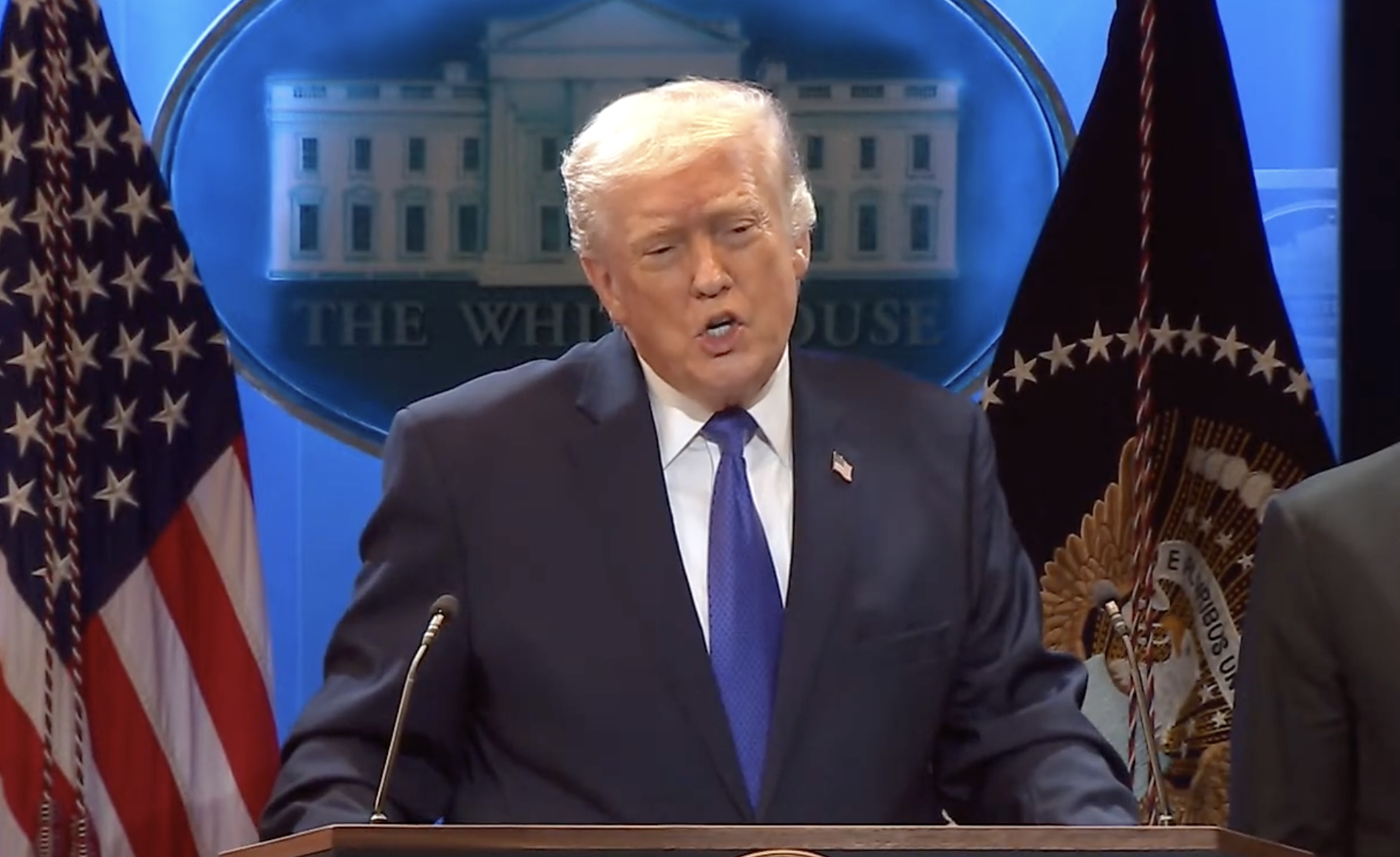
President Donald Trump responded to the Supreme Court’s decision blocking his use of the 1977 International Emergency Economic Powers Act (IEEPA) to impose sweeping tariffs not with restraint or deference to a co-equal branch of government—but with grievance, insults, and a familiar stream of personal attacks.
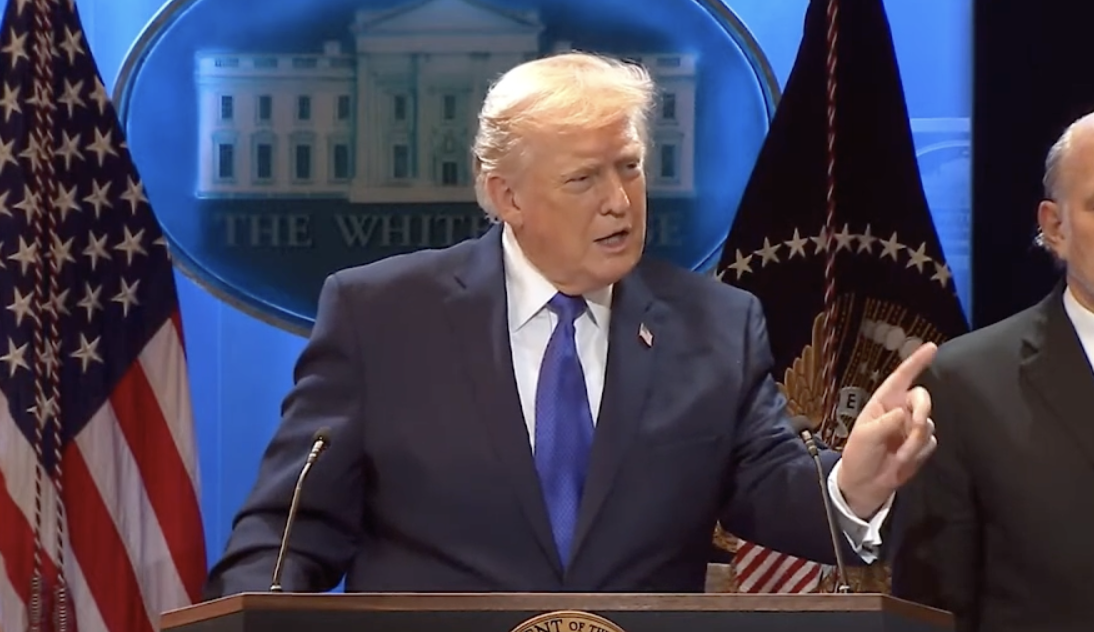
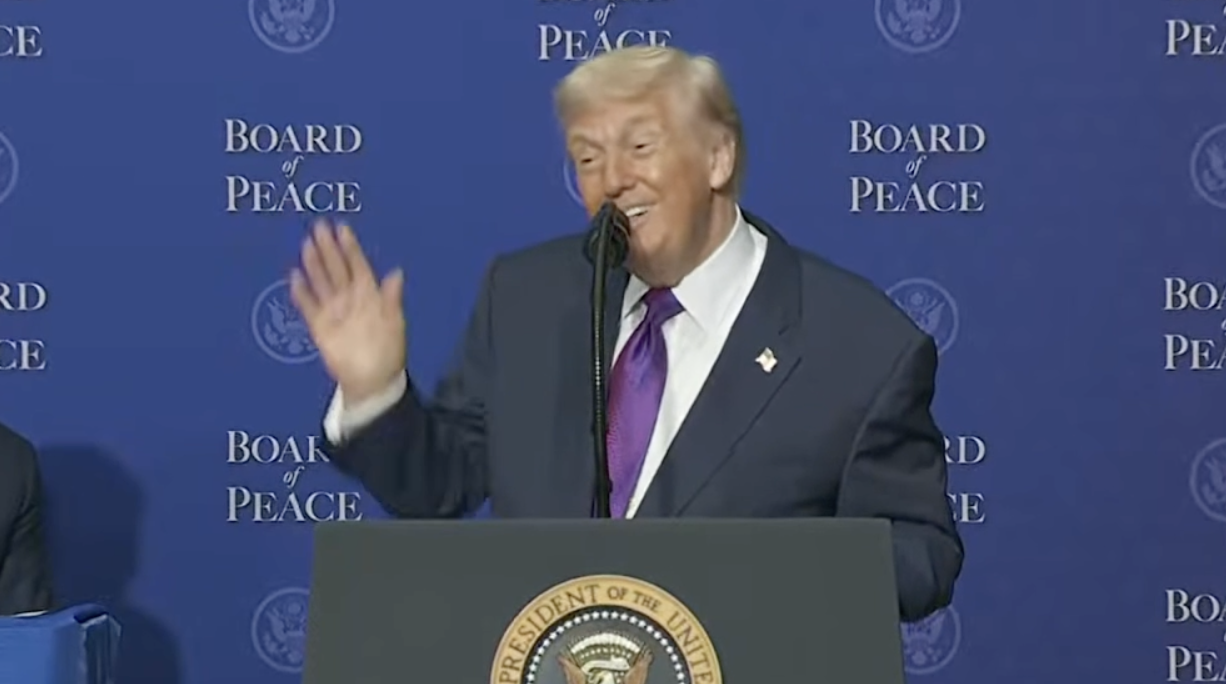
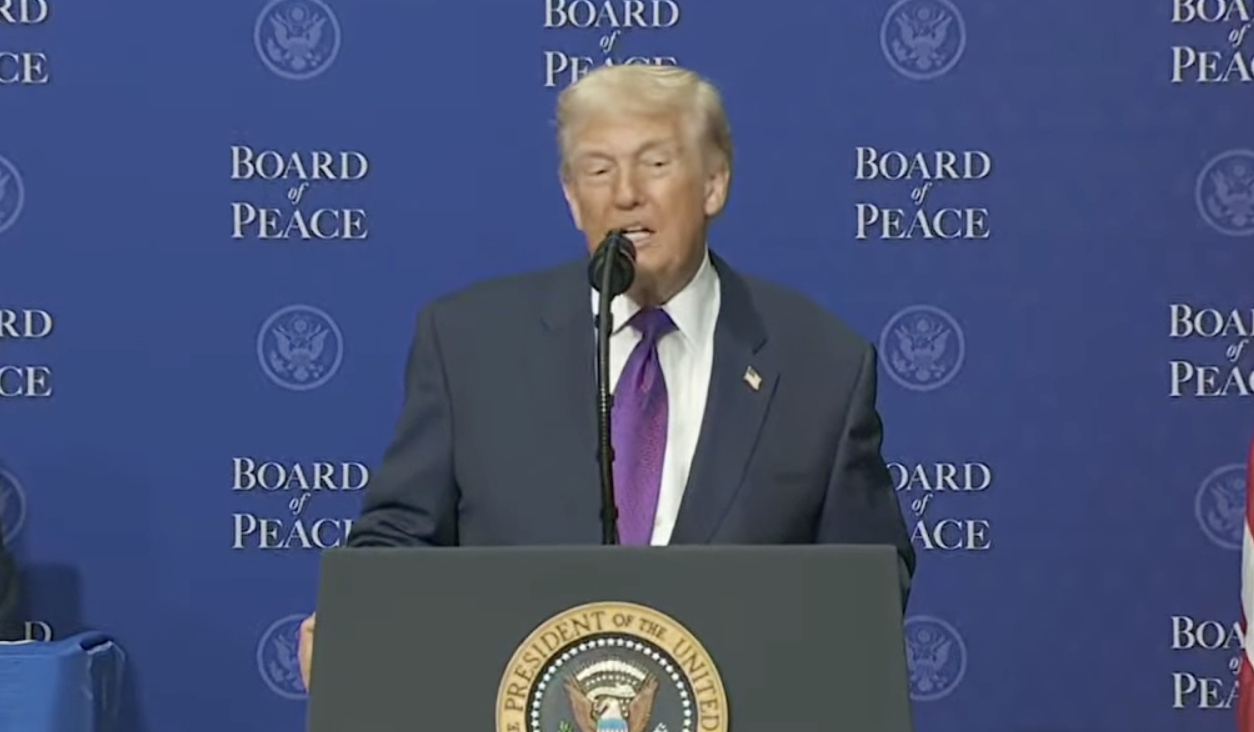
Speaking to reporters at a press conference on Friday, Trump called the ruling “deeply disappointing” and said he was “ashamed” of certain members of the Court. He praised Justices Clarence Thomas, Samuel Alito, and Brett Kavanaugh for their dissents while deriding the majority as politically motivated. At one point, he accused unnamed justices of being “fools and lapdogs” and suggested they were swayed by foreign interests—a remarkable allegation directed at the nation’s highest court without evidence.
Rather than engage the legal reasoning behind the decision, Trump framed the outcome as betrayal. He repeated claims of election “cheating,” boasted about winning “by millions of votes,” and implied members of the Court were afraid of political backlash. The tone was less that of a president responding to a constitutional check on executive power and more that of a toddler throwing a tantrum for having his favorite toy taken from him.
Trump Brushes Aside The Supreme Court Ruling, Immediately Imposing New Tariffs
The Supreme Court did not strike down tariffs wholesale. It ruled 6–3 that Trump could not rely on IEEPA to impose broad, unilateral trade levies in the manner he attempted. But instead of acknowledging the limits placed on his authority, Trump treated the decision as a fenceless gate he can simply walk around by imposing new tariffs.
Within minutes, Trump pivoted to announcing new tariffs under alternative statutes. Citing the Trade Expansion Act of 1962 (Section 232), the Trade Act of 1974 (Sections 122 and 301), and the Tariff Act of 1930 (Section 338), Trump declared that he would impose a new 10 percent global tariff under Section 122—”effective immediately.” Existing Section 232 and Section 301 tariffs, he said, would remain “fully in place and in full force and effect.”
In other words, despite being rebuked by the Court for overstepping under one legal theory, the president is doubling down under another.
Trump insisted the ruling actually made his tariff powers “more powerful and more crystal clear rather than less,” leaning heavily on language from Justice Kavanaugh’s dissent suggesting other statutes remain available to the executive branch. He portrayed the decision as a technical obstacle—one that merely required him to take a “longer process” rather than abandon the policy.
But the spectacle surrounding the announcement may prove as consequential as the policy itself. A president openly accusing Supreme Court justices of disloyalty, foreign influence, and cowardice—because they ruled against him—underscores a growing willingness to treat constitutional guardrails as partisan inconveniences.
And for American consumers and businesses, the immediate takeaway is simple: a new 10 percent global tariff is on the way. Whatever relief Americans briefly anticipated after the Court’s decision was short-lived.
The justices curtailed one pathway. The president, undeterred and visibly aggrieved, has chosen another.